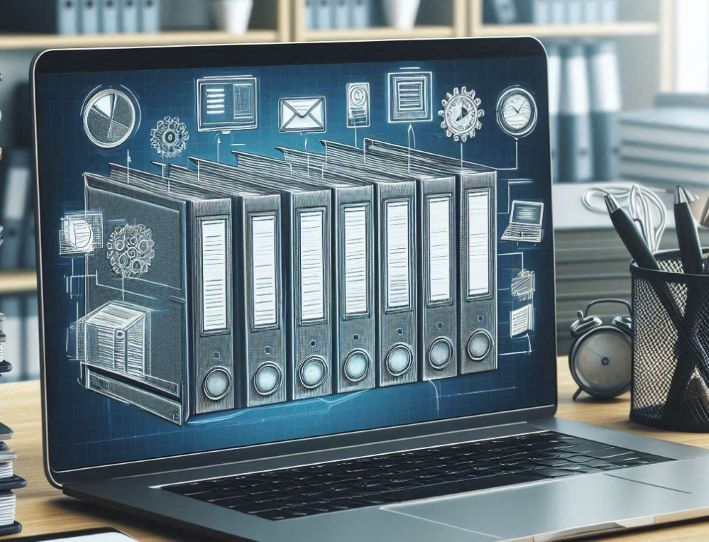
Annoyatrons hide in plain sight, waiting to unleash chaos with a single beep. Picture this: a quiet office hums along until a faint mosquito whine pierces the air. Someone swats at nothing. Minutes later, a cricket chirps from under a desk. Laughter bubbles up, but so does the frustration as the source stays elusive.
This tiny gadget, no bigger than a matchbox, turns everyday spaces into playgrounds of surprise. What starts as a harmless joke reveals a deeper truth. Hidden elements can disrupt, delight, or defend. In the world of digital files, those same stealthy surprises guard against real threats.
That prank lingers like a half-remembered dream. You can read all about the Annoyatron prank clever design and endless hiding spots on Geek Extreme, where pranksters share tales of desks turned upside down in the hunt.
The real magic? Unpredictability. It doesn’t strike on a schedule. Instead, random intervals—five minutes, ten, who knows?—keep victims guessing. One moment, silence reigns. The next, a doorbell dings from inside a drawer.
This chaos mimics life’s little annoyances, blending into the background until it doesn’t. Pranks like these thrive on the unknown. They remind us how the unseen can command attention.
Now, imagine channeling that power not for giggles, but for protection. Documents packed with secrets could borrow from this playbook.
The Annoyatron’s Surprise Factor
Unpredictability fuels the fun, but it also sharpens the edge. The Annoyatron packs six sounds: high-pitched whines only the young can hear, soft cricket calls that echo real bugs, sharp beeps like a faulty gadget. Each one arrives unannounced, forcing a search that uncovers forgotten corners of a room.
Why does it work so well? Because humans crave patterns. When they shatter, we react. A colleague once taped one under a boss’s chair. The random chirps led to a full office audit, cabinets opened, vents checked. No one suspected the tiny intruder until weeks later.
- Sounds vary in pitch and tone, dodging easy detection.
- Timers randomize bursts, stretching the prank over days.
- Placement options abound: magnets stick it to metal, adhesives hide it anywhere.
Excitement builds with every false lead. “It’s like a ghost in the machine,” one user quipped in an online forum. That thrill of the chase? It mirrors the jolt when security breaches hit. But flip the script.
What if documents hid their own “ghosts”—not to annoy, but to alert or deter? The surprise factor isn’t just playful. It proves invisibility packs a punch.
Stealth in Document Technology
Digital files brim with invisible shields, much like a prankster’s tool. Think of PDFs or Word docs as quiet offices, ripe for infiltration. Hidden watermarks etch faint patterns across pages, text or images only software reveals.
They track leaks without altering the view. Metadata lurks deeper, embedding creation dates, author names, even edit histories in the file’s code. A sneaky spy might copy a report, but those tags follow like digital breadcrumbs.
Digital signatures add another layer of quiet enforcement. They cryptographically lock a document’s integrity. Tamper with one word, and the seal breaks, alerting the owner instantly. No dramatic alarms, just a silent fail.
This “security through invisibility” echoes the Annoyatron’s charm. Features stay out of sight until needed. For instance, forensic tools can scan for steganography, where data hides inside images within the file. A corporate memo could carry an embedded tracker, pinging home if shared wrongly.
- Watermarks: Visible under UV light or apps, they name the source.
- Metadata: Reveals who, when, and how—perfect for audits.
- Signatures: Ensure nothing changes without a trace.
Yet subtlety rules. Overdo it, and users rebel. Balance comes from design. Tools like Adobe Acrobat let creators layer these without fuss. “Invisibility protects because it doesn’t intrude,” notes cybersecurity expert Lena Torres in a recent TED Talk.
Lena Torres compares it to wallpaper; pretty on the surface, fortified underneath. As files zip across emails and clouds, these stealth elements catch the careless thief. They turn passive papers into active sentinels. Who knew a prank could spotlight such elegance? Read more on document security from our guide: A Smart Move for Secure Document Collaboration
What Businesses Can Learn
Offices buzzing with Annoyatrons teach more than mischief. They show how surprise secures attention—and data. Businesses drown in sensitive files: contracts, client lists, financials. A breach costs millions, yet many treat security as an afterthought.
Borrow from the prank: embed stealth features early. Mandate watermarks on every export. Train teams to scrub metadata before sharing. Simple steps, profound impact.
Consider a finance firm leaking merger plans. Without hidden tags, the culprit vanishes. With them? Traces lead back fast. But here’s the pivot: make it user-friendly. Clunky tools scare users away. Opt for seamless integrations; plugins that watermark on save, signatures that auto-apply. Reward compliance with ease, not lectures.
- Start small: Audit one department’s files for hidden risks.
- Train playfully: Simulate “pranks” where leaks trigger fun alerts.
- Scale up: Partner with tech firms for custom stealth layers.
Balance is key. Too much secrecy breeds distrust. Employees need to know protection exists, without drowning in details. As one CEO shared, “We hid trackers in our bids. Caught a rival’s mole red-handed. Saved the deal—and the drama.”
Friendly reminders pop up: “This file watches its step.” Humor softens the stern. Ultimately, businesses thrive when security feels like a clever ally, not a chain. The Annoyatron whispers: surprise wisely, and you win the game.
Question the status quo. Why settle for obvious locks when ghosts guard better? Provoke change. Push vendors for invisible innovations. Educate boards with prank demos—watch eyes widen as “leaked” files trace back. It’s time to infuse creativity into compliance.
Opinion / Call to Action
Creative security education isn’t a luxury; it’s essential. Dull seminars fade fast. But a live Annoyatron hunt? That sticks. Argue for it: blend play with purpose. Host workshops where teams “prank” mock files, uncovering hidden defenses. Spark discussion.
“What if our data pulled its own tricks?” Let voices rise. Demand more from tools—apps that gamify protection. Businesses, listen up. In a world of whispers and shadows, the bold prankster secures the future. Act now. Turn lessons from laughs into unbreakable shields.






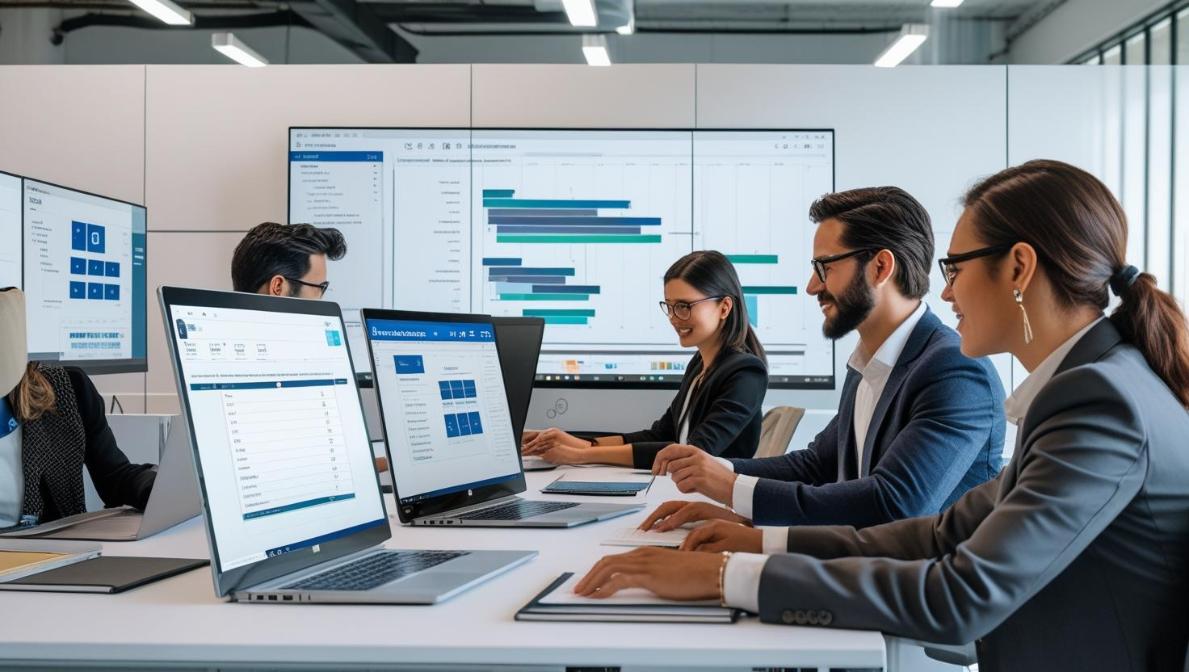
 For technology startups, building brand authority on social media isn’t just a “nice-to-have”—it’s a game-changer. Authority online not only differentiates you from competitors but
  Cybersecurity is crucial for every industry, and the towing industry is no exception. With the increasing

 Document technology refers to the tools and systems used to create, manage, store, and share documents efficiently. It includes both hardware, such as scanners and printers, and software, like cloud storage platforms and digital editing tools. Over the years, document technology has transformed how individuals and organizations handle information. Traditional paper-based processes have been replaced by digital document workflows that save time, improve accuracy, and reduce clutter. Document technology extends far beyond word processing. It includes electronic signatures, document management systems, Envato elements downloader, real-time collaboration tools, and secure cloud storage. This shift toward digital solutions has made it easier for businesses to automate tasks, minimize human error, and ensure accessibility across multiple devices. Whether you’re managing contracts, proposals, or creative assets, document technology ensures your information remains organized and easily retrievable.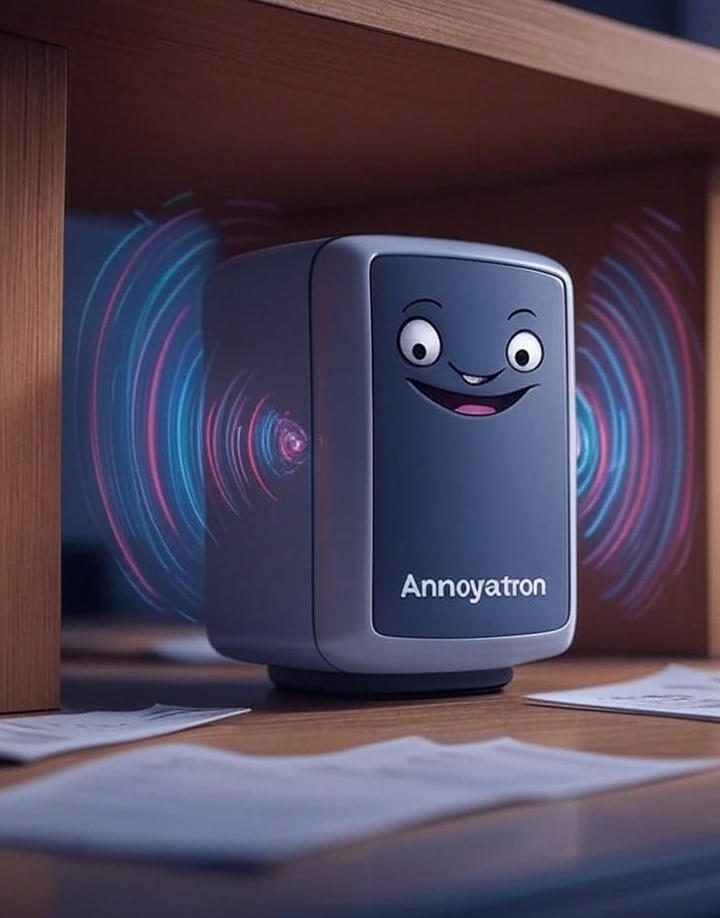

 Escape from Tarkov isn’t your average first-person shooter. It’s gritty, slow, and punishing. And when you’re running raids with friends, it can get chaotic—fast. Between miscommunication, mismatched gear, and a lack of planning, even well-equipped squads can get wiped. That’s why a dedicated Tarkov raid planner app—one that syncs maps, loadouts, and comms—isn’t just helpful. It’s becoming essential, especially for teams who want a fair tactical edge without relying on Escape from Tarkov cheats.
 Windows 11 is more than just a visual upgrade; it’s packed with tools that make collaborating on documents easier and more efficient than ever. Whether you’re a student juggling group projects, a professional working remotely, or simply someone who wants to streamline teamwork, Windows 11 has features tailored for you. Let’s dive into how this operating system
  From fundamental code changes to advanced software able to evade anti-cheat policies, Fortnite cheats have developed from straightforward tools. Among other cheaters, aimbots, wallhacks, and ESP (Extra Sensory Perception) offer players unfair advantages. The development of these tricks reflects changes in document technology, in which encryption methods and data manipulation are continuously improved.
 Document technology saves users time by automating data collection and analysis tasks. Users can rely on document AI to instantly show them the finest choices instead of physically reviewing many websites and comparing costs.
 Whether your services are document management, safe storage, or collaborative software, your domain name should instantly reflect their nature. Domains like “DocuHub.com” or “SecureDocs.net,” for example, give prospective consumers a clear sense of what to expect, therefore strengthening the trust and power of the brand in the industry.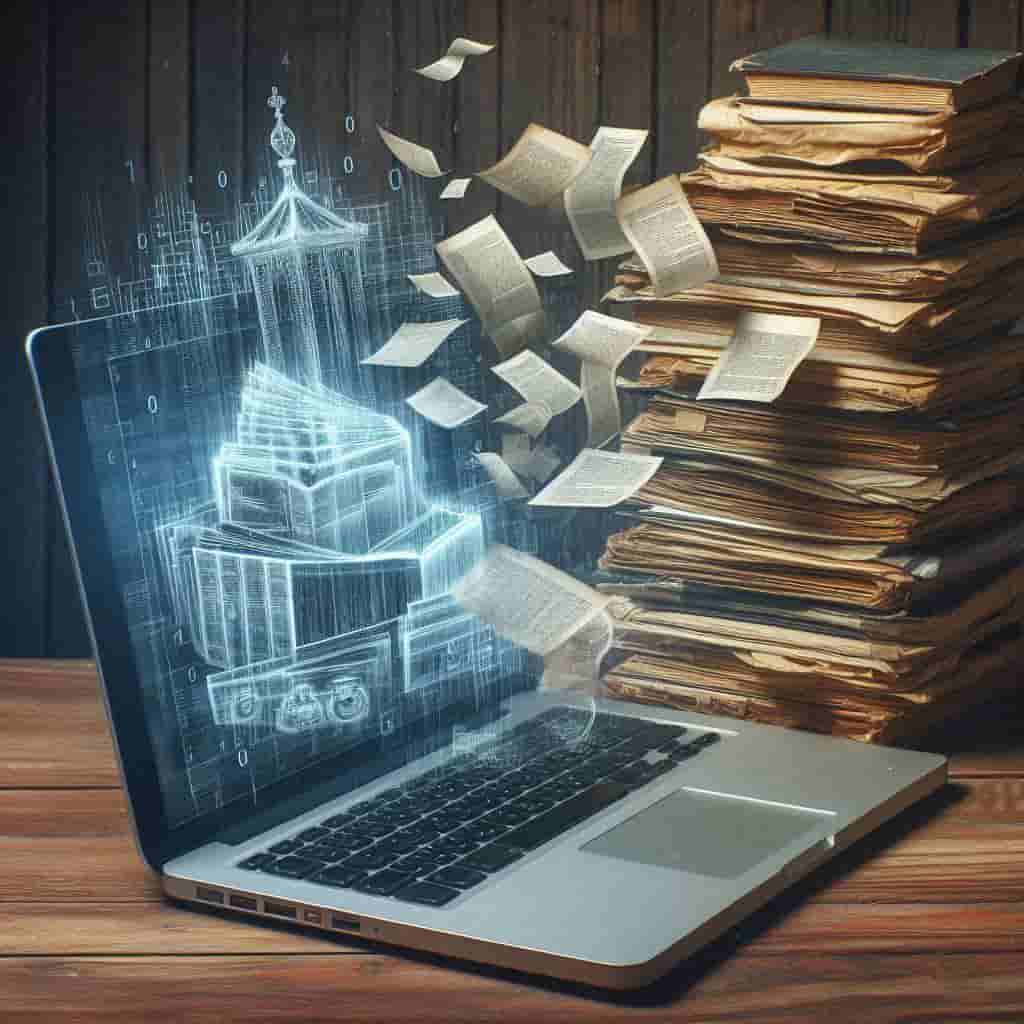
 Do you need clarification about which hashtags work best on which platforms? Social listening technologies can also help you learn about market trends. Use these trending subjects as a starting point to find relevant hashtags across your social media accounts.
 You can easily get Windows File Recovery for free from the Microsoft Store. Regular and Extensive search modes are available. An Administrator must grant this software access to the hard drive before it can be launched; doing so opens the Command Prompt.
 MS Word – process text in a document